Knowledge Graphs · OpenAlex API · Retrieval Augmented Generation
CollabNext
CollabNext Team 20: Knowledge Graph Q&A System for Research
Plain-language chatbot to discover underrepresented researchers in OpenAlex knowledge graph
1 builder · Sep 2025
19 solutions from challenges with 4 partners, built by 44 people. Each partner page shows the challenges, the solutions and the builders behind them.
Research agencies, universities and companies whose challenges teams worked on.
11 projects · 25 builders
6 projects · 15 builders
4 projects · 7 builders
3 projects · 9 builders
Winners first, then the most complete projects.
Knowledge Graphs · OpenAlex API · Retrieval Augmented Generation
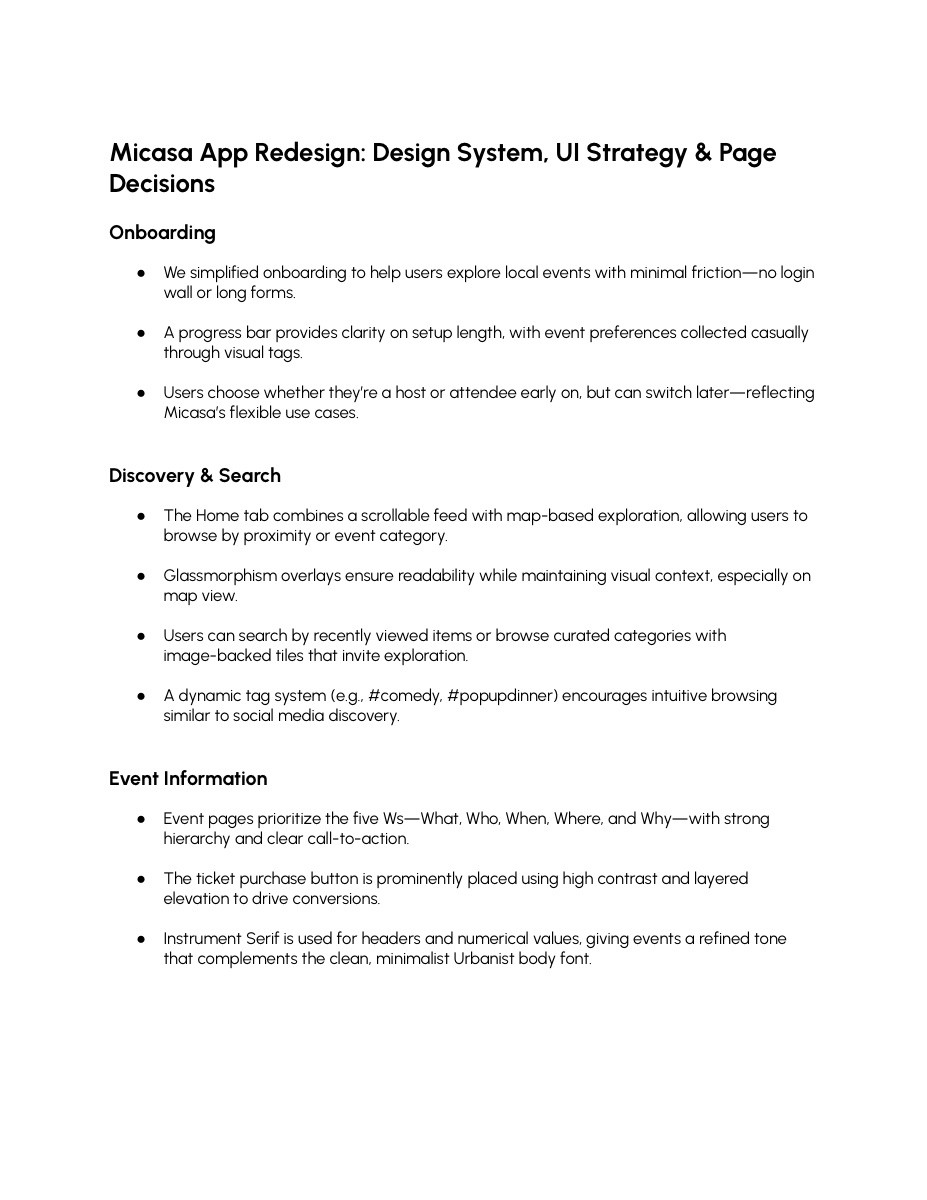
CollabNext
Plain-language chatbot to discover underrepresented researchers in OpenAlex knowledge graph
1 builder · Sep 2025

Micasa Hackathon — June 2025
Structured matching and pricing tiers for event hosts and collaborators
2 builders · Jul 2025

Micasa Hackathon — June 2025
Redesigned event platform with simplified discovery and automated payment splitting for hosts
1 builder · Jul 2025

Micasa Hackathon — June 2025
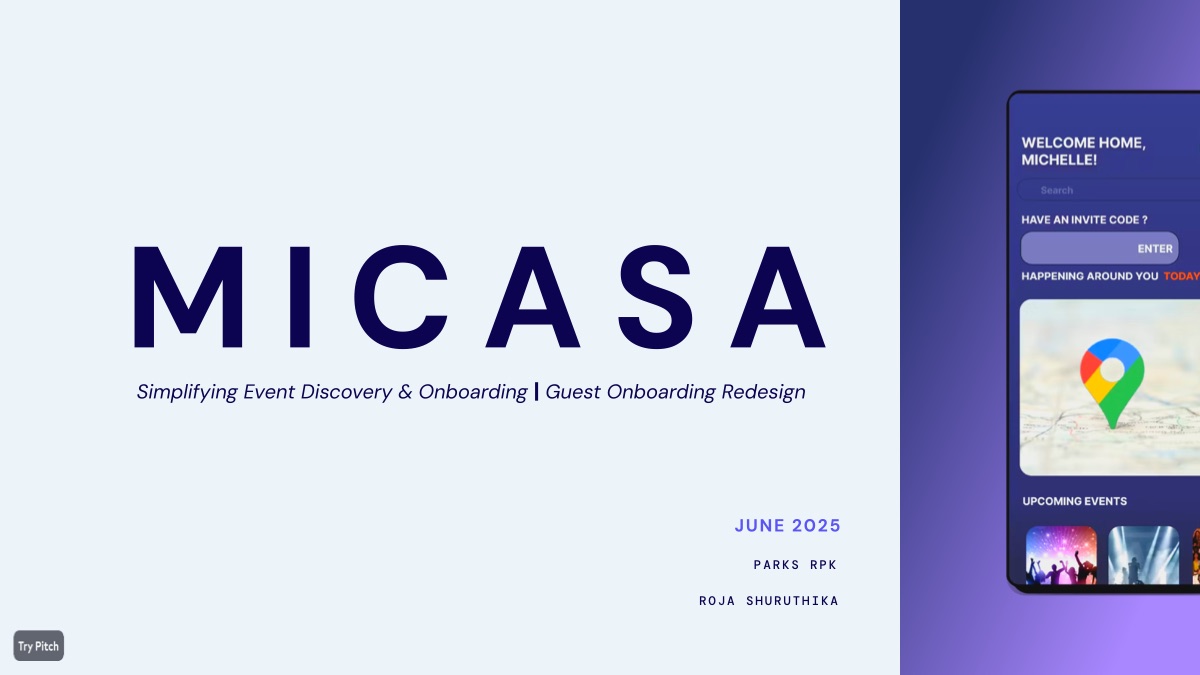
Simplified event discovery for guests with deferred signup and invite code entry
2 builders · Jul 2025

Secure SaaS Supply Chains
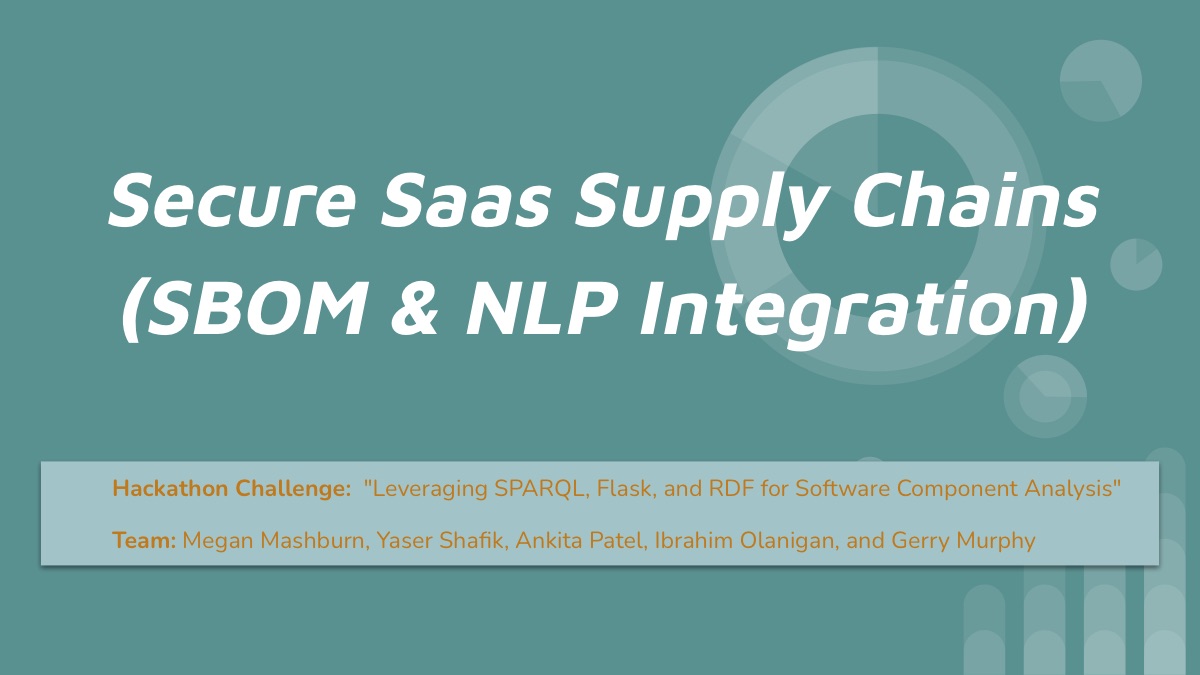
Tool that analyzes software dependencies and vulnerabilities using real-time knowledge graph data
5 builders · Apr 2025

DREAM-KG Homelessness Support
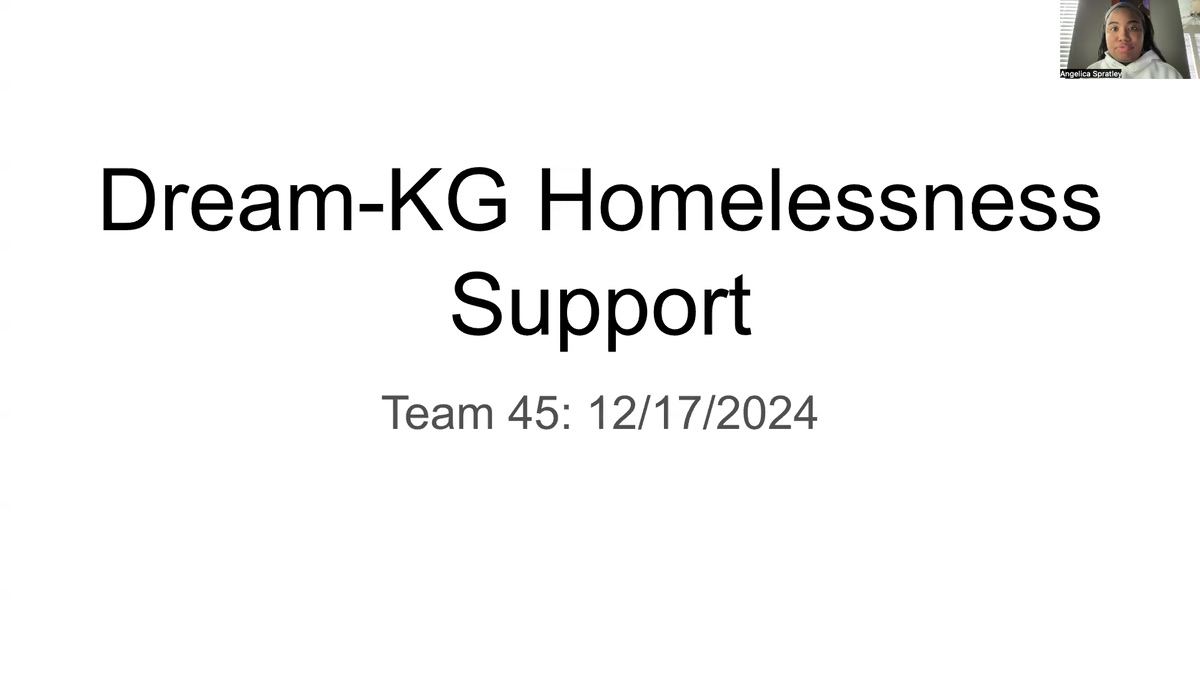
Knowledge graphs and user interface connecting homeless individuals with real-time support resources
1 builder · Apr 2026
People who shipped these projects. Their profiles show the skills they proved.
From the GenHax blog and press room.
On January 16, 2026, GenHax's own team facilitated an NSF session connecting seven federally-funded Proto-OKN research teams to industry. Nine months later, one of those teams shipped a research paper, two colleges started piloting the same challenge, and the week closed with a global argument over how young is too young to teach a kid to use any of it.
The OECD says AI-assisted learning gains disappear when AI is removed. NSF's Proto-OKN program proves there's a better way.
Maryland gave students an AI tutor and most of them barely used it. Two undergraduates ended up near the top of a federal knowledge graph paper. NSF is moving money toward prize challenges. Taken together, they point to the same conclusion: a tool on its own doesn't teach anyone.
NSF, with 11 projects, followed by Georgia Tech (6). Every page here lists its projects, the people who built them and the skills they used.
Each challenge is linked to the organizations behind it (the agency, lab or company that framed the problem). A partner page collects every solution from those challenges.
It works like an externship: a short, remote team project on a real problem, with mentors. Challenges are free to join and unpaid. Every submitted solution gets a public page you can show to employers and schools.
Join a team, prove your skills on a real problem and get mentored by people who do this for a living.
Find a challengeBring an open problem. Teams of students and professionals turn it into working solutions you can see.
Host a challenge